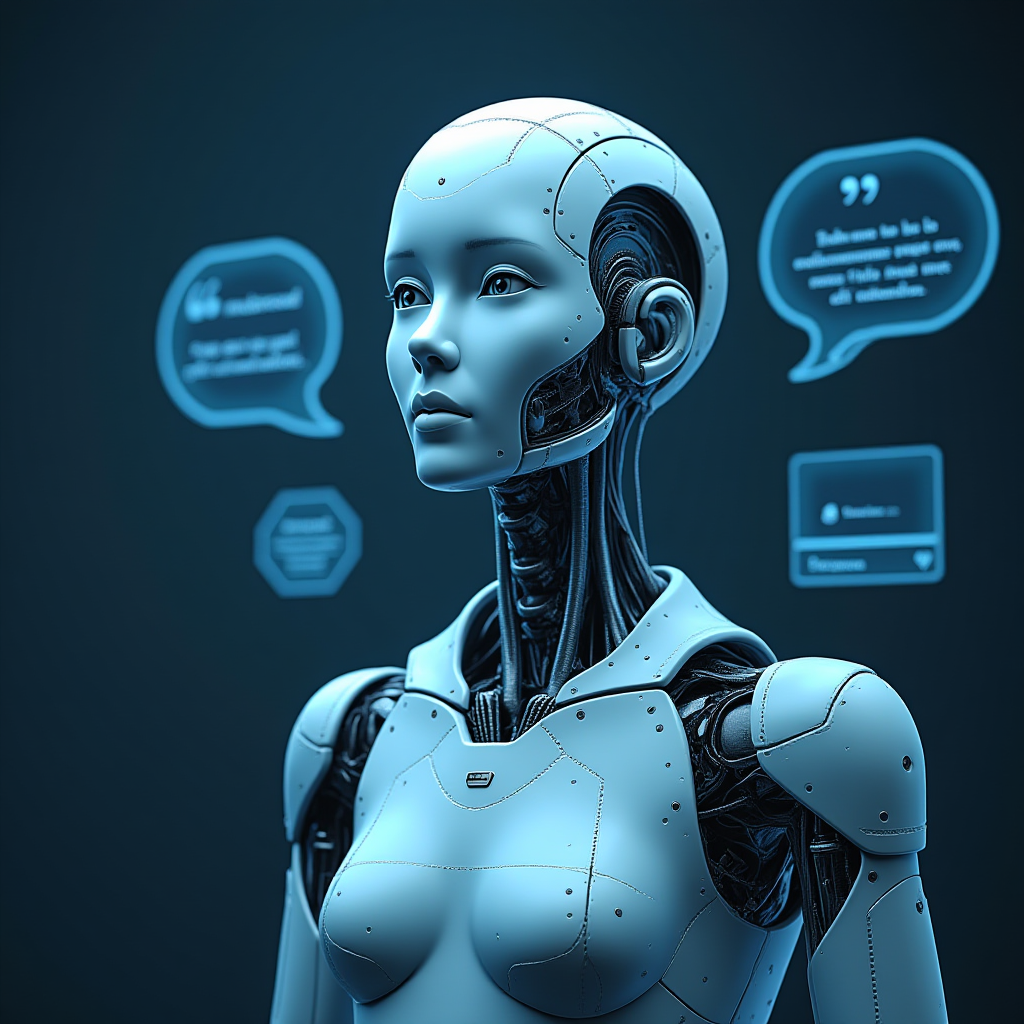
Customer Service AI Chatbots in New Jersey: How Local Businesses Improve Response Times and Satisfaction
Customer service expectations have changed, especially for local businesses in New Jersey. Customers no longer compare your business only to the shop down the street. They compare you to every fast, responsive experience they’ve had online. If they send a message, ask a question, or start a chat and don’t hear back quickly, they assume you’re unavailable—even if you’re just busy.
This shift is why customer service AI chatbots in NJ are becoming a core part of how local businesses operate. Not as a replacement for people, but as a way to ensure customers are always acknowledged, supported, and guided forward without delay.
For many New Jersey businesses, the biggest problem isn’t service quality. It’s response time.
What Customer Service AI Chatbots Actually Do
Customer service AI chatbots are designed to handle the first layer of communication. They greet customers, answer common questions, collect relevant information, and help move conversations forward. Unlike older chat tools, modern AI chatbots can understand context, ask follow-up questions, and adjust responses based on customer intent.
In practice, this means a chatbot can tell a customer your hours, explain your services, confirm availability, and even book appointments. If the conversation becomes complex or urgent, it can pass the interaction to a human team member with full context intact.
For a local business in New Jersey, this creates a smoother experience for both customers and staff. Customers are not left waiting, and staff are not constantly interrupted.
Why Response Time Matters So Much in New Jersey
New Jersey is a high-density, high-competition market. In towns like Scotch Plains and surrounding areas, customers often have several similar businesses within a short distance. If one business responds slowly, another one will respond faster.
Customer service AI chatbots eliminate this delay. They respond instantly, regardless of time of day. This is especially valuable after hours, during weekends, or when staff are tied up with in-person customers.
For service-based businesses, fast response often determines who wins the job. A contractor, medical office, or professional service firm that responds first is far more likely to secure the appointment.
Real Examples of Customer Service Chatbots in Action
Consider a local service business receiving multiple inquiries each evening after closing. Before automation, those messages would sit overnight. By morning, many customers would already have booked elsewhere. With a customer service AI chatbot in place, each inquiry is acknowledged immediately. Customers receive answers to basic questions and are invited to book or leave their contact details.
Another example is a small medical or wellness office. During the day, staff are busy helping patients. Phone calls and chat messages interrupt workflow and increase stress. A chatbot can handle routine questions, provide instructions, and collect appointment requests without pulling staff away from patient care.
Retail and hospitality businesses use chatbots to answer questions about availability, policies, and hours. Instead of repeatedly answering the same questions, staff focus on customer experience while the chatbot handles routine support.
Benefits Beyond Faster Replies
The most obvious benefit of customer service AI chatbots is speed, but the impact goes much deeper.
Chatbots create consistency. Every customer receives the same clear, accurate information. There are no forgotten follow-ups or missed messages. This consistency builds trust over time.
They also improve accuracy. Information doesn’t change based on who is answering. Policies, pricing explanations, and service details remain uniform.
For business owners, chatbots provide visibility. Conversations are logged, questions are tracked, and patterns emerge. Owners can see what customers are asking most often and adjust operations or messaging accordingly.
Supporting Staff, Not Replacing Them
One of the biggest fears around automation is job loss. In reality, customer service AI chatbots are most effective when used as support tools.
They handle repetitive, time-sensitive interactions so staff can focus on meaningful conversations. Instead of juggling multiple chats and calls, employees step in when human judgment, empathy, or expertise is needed.
This reduces burnout and improves morale. Staff are less reactive and more present. Businesses that use chatbots often report smoother operations and fewer mistakes simply because employees are no longer overwhelmed.
Chatbots and Customer Satisfaction
Customers care about being acknowledged. Even if a chatbot cannot fully resolve an issue, a fast, helpful response creates a positive impression.
Modern AI chatbots are designed to sound natural and polite. When implemented correctly, customers feel guided rather than dismissed. Over time, this improves satisfaction and loyalty.
For New Jersey businesses that rely on repeat customers and local reputation, this matters. A quick response today can lead to long-term relationships tomorrow.
Integration With Other Systems
Customer service AI chatbots are most powerful when integrated with other tools. They can connect to calendars to book appointments, CRMs to store customer data, and call systems to route urgent requests.
This creates continuity. A customer might start with a chatbot, receive follow-up messages, and later speak with a human who already understands their needs. The experience feels cohesive instead of fragmented.
Businesses that adopt chatbots as part of a broader automation strategy see stronger results than those using isolated tools.
Why NJ Businesses Are Moving Toward Chatbots Now
Labor costs are rising, hiring is challenging, and customer expectations continue to climb. For many New Jersey businesses, scaling customer service by hiring more staff is no longer realistic.
Customer service AI chatbots offer a practical alternative. They scale instantly, work continuously, and adapt as the business grows. This allows businesses to maintain high service levels without constant staffing changes.
In competitive local markets, this flexibility is a significant advantage.
Long-Term Value for Local Businesses
Customer service AI chatbots are not a temporary fix. They are becoming part of how modern local businesses operate.
As customers grow accustomed to instant responses, businesses that fail to adapt risk appearing unresponsive or outdated. Those that adopt smart automation position themselves as accessible, reliable, and customer-focused.
For New Jersey businesses, especially in active local markets, this responsiveness directly supports growth.
Final Thoughts on Customer Service AI Chatbots in NJ
Customer service AI chatbots are not about removing the human element from business. They are about protecting it.
By ensuring that every inquiry is acknowledged, every question is answered promptly, and every customer feels heard, chatbots support better service without added pressure on staff.
For local businesses in New Jersey, adopting customer service AI chatbots is less about technology and more about meeting customers where they are—quickly, clearly, and consistently.