AI Automation for Retail Stores Is What Breaks the Constant “We’re Busy but Losing Sales” Loop
Here is the setting we all been in, and it’s not fun.
It’s 3:42 p.m. on a Saturday.
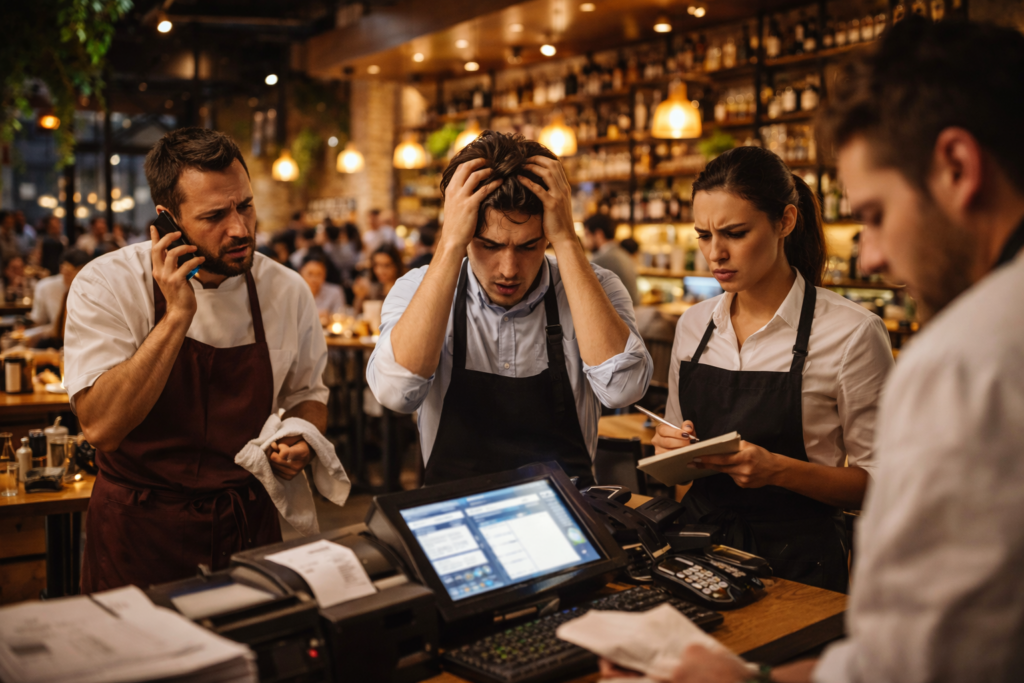
The line at the register is five people deep. Someone is asking about a return without a receipt. Another customer wants to know if you have a different size in the back. A delivery just arrived early, and boxes are stacked where they shouldn’t be. One employee is on break. Another is new and moving too slowly.
The phone rings.
No one answers it.
Not because no one heard it. Everyone heard it. They just can’t stop what they’re doing. The line would stall. Customers would get annoyed. Someone would walk out.
So the phone keeps ringing. Then it stops.
That call might have been someone asking if you had an item in stock before driving over. Or a customer trying to place a hold. Or someone asking about store hours because they’re ten minutes away. Or a regular call about a return.
You’ll never know.
This is the quiet problem retail stores deal with every day, and it’s exactly why AI automation for retail stores exists.
Retail doesn’t lose money in dramatic ways. It leaks money in small, constant moments where attention is split and customers are forced to wait for answers that never come.
Retail Stores Are Designed for Foot Traffic, Not Communication
Most retail operations are built around what happens inside the store. Shelves, displays, checkout flow, and staffing for the floor. Communication outside the store has always been an afterthought.
Phones are supposed to be answered “when possible.” Messages are supposed to be returned “when it slows down.” Emails are checked “after the rush.”
But retail rarely slows down.
AI automation for retail stores works because it accepts that reality instead of fighting it. It assumes staff will be busy. It assumes interruptions happen at the worst possible time. It assumes customers won’t wait.
SmartCallz was built for those assumptions.
When a retail store uses AI automation for retail stores through SmartCallz, the phone stops competing with the register. Calls are answered immediately, information is handled cleanly, and staff aren’t pulled away from customers standing in front of them.
That changes behavior on both sides of the counter.
What Happens When Retail Stores Don’t Answer the Phone
Retail customers don’t leave voicemails the way they used to. If a call goes unanswered, they move on. They search again. They call another store. They order online instead.
The store never sees the loss. There’s no alert. No report. No warning. Just fewer customers showing up than expected.
AI automation for retail stores prevents that silent loss. Every call is acknowledged. Every caller gets information. Even if the answer is “we’re out of stock,” the experience still feels responsive.
Responsiveness is what keeps customers choosing physical retail instead of defaulting to online options.

How SmartCallz Fits Into a Real Retail Environment
Retail floors are noisy, unpredictable, and understaffed by design. There is no perfect moment to answer the phone.
SmartCallz handles calls outside the chaos. Customers can ask about inventory, hours, return policies, holds, and basic questions without interrupting staff. More complex inquiries are logged and routed appropriately.
AI automation for retail stores through SmartCallz doesn’t require employees to change how they work. It works around them.
That matters because the fastest way to break a retail operation is to add one more thing employees are “supposed” to do.
Inventory Questions Are Where Retail Loses the Most Sales
One of the most common retail calls is also one of the most damaging when missed.
“Do you have this item in stock?”
If the phone isn’t answered, that customer doesn’t drive over to check. They buy elsewhere. Often online. Often from a competitor who answered the phone.
AI automation for retail stores ensures those questions are handled. SmartCallz can communicate availability rules you define, guide customers on next steps, or capture requests for follow-up.
Customers feel helped. Staff stay focused.
That single behavior change saves more sales than most retail owners realize.
Returns, Exchanges, and Policy Questions Drain Staff Time
Returns don’t generate revenue, but they generate friction. Customers call with questions. Staff answer the same explanations repeatedly. During busy hours, those calls go unanswered, creating frustration before the customer even arrives.
AI automation for retail stores allows SmartCallz to handle basic policy questions automatically. Customers get clarity. Staff avoid repeating themselves. Tension drops before the interaction ever reaches the counter.
Less friction leads to better in-store experiences, even for transactions that aren’t profitable.
Why Missed Calls Hurt Retail More Than Other Industries
In retail, timing is everything. Customers are usually close by. They’re already considering coming in. A quick answer often determines whether they show up or not.
Missed calls don’t just lose sales. They lose momentum.
AI automation for retail stores keeps momentum alive. Calls are answered immediately. Customers know what to expect. Decisions happen faster.
That speed matters when competing with online retailers who answer instantly by default.
Staffing Isn’t the Real Bottleneck
Retail owners often think the solution is more staff. More coverage. More overlap.
But staffing for phones means pulling people off the floor. That creates longer lines, worse service, and frustrated customers inside the store.
AI automation for retail stores removes the need to staff for phones specifically. The phone is handled consistently without affecting the floor.
Employees do what they’re good at. The system handles what humans shouldn’t have to juggle.
Consistency Is What Builds Trust in Retail
A customer calls in the morning and gets help. Calls again later and gets voicemail. That inconsistency feels careless, even if the store is busy.
AI automation for retail stores creates consistency. The store sounds professional at all times. Customers know they can get information without guessing when to call.
Trust grows quietly when experiences feel predictable.
Reviews Often Point to Communication Failures
Negative retail reviews frequently mention things like “couldn’t get through,” “no one answers the phone,” or “hard to get information.”
These complaints aren’t about products. They’re about access.
AI automation for retail stores reduces these complaints by ensuring customers never feel ignored. Calls are answered. Information is available. Frustration drops before it turns into a review.
Over time, this improves reputation and local visibility.

Retail Stores Are Under Pressure From Every Direction
Online competitors answer instantly. Big-box stores have call centers. Customers expect answers now, not later.
Small and mid-sized retail stores feel squeezed. They can’t compete on scale, but they can compete on responsiveness.
AI automation for retail stores gives them that edge without increasing payroll or complexity.
SmartCallz doesn’t turn retail into something it’s not. It removes one of the biggest disadvantages physical stores face.
What Changes Inside the Store After Automation
One of the first things owners notice isn’t revenue. It’s behavior.
Staff, stop ignoring the phone.
Managers stop worrying about missed calls.
Customers stop showing up frustrated before they even walk in.
The store feels less reactive. Less tense. More controlled.
That control shows up everywhere else.
AI Automation for Retail Stores Is About Removing Friction, Not Adding Tech
Retail doesn’t need more systems to manage. It needs fewer problems.
AI automation for retail stores through SmartCallz removes missed calls, unanswered questions, and communication breakdowns that quietly cost money every day.
It doesn’t change what you sell. It changes how customers reach you.
That difference matters more than most retailers realize.